

Art & Culture
Heritage
it features belonging to the culture of a particular society, such as traditions, languages, or buildings, that were created in the past and still have historical importance. The Convention for the Safeguarding of the Intangible Cultural Heritage defines the intangible cultural heritage as the practices, representations, expressions, as well as the knowledge and skills (including instruments, objects, artefacts, cultural spaces), that communities, groups and, in some cases, individuals recognise as part of their cultural heritage. It is sometimes called living cultural heritage, and is manifested inter alia in the following domains:
Oral traditions and expressions, Including language as a vehicle of the intangible cultural heritage;
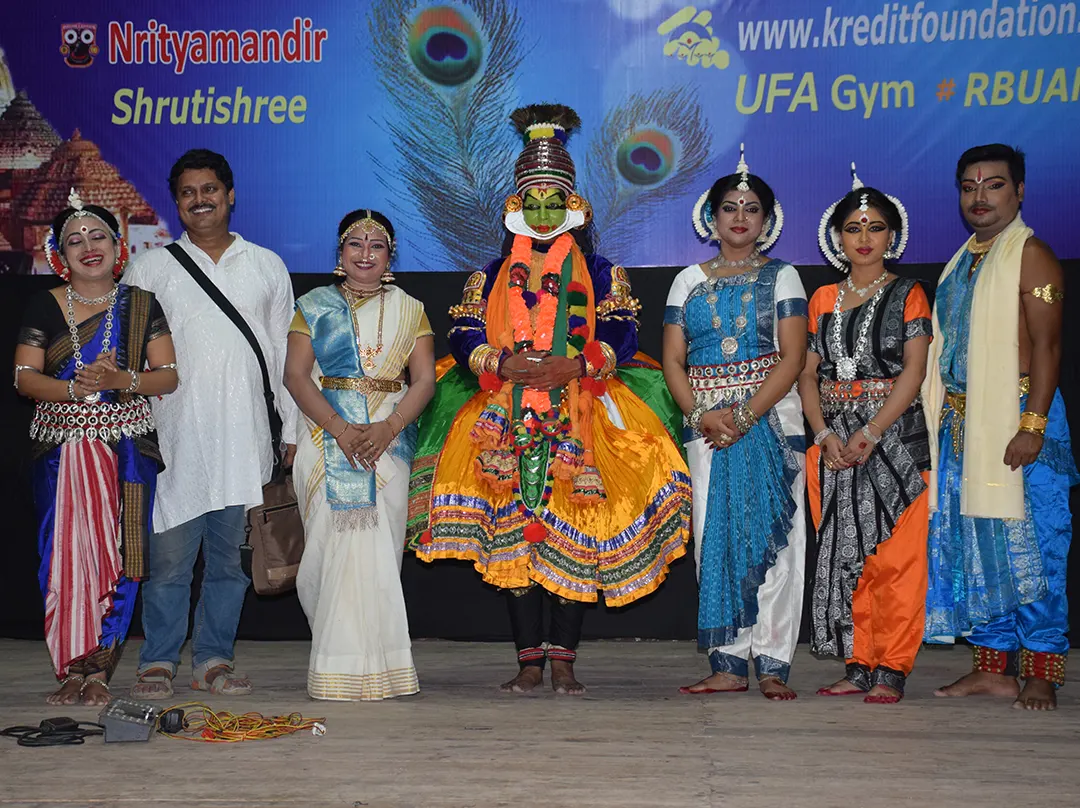
Performing arts; Social practices, rituals and festive events; Knowledge and practices concerning nature and the universe; Traditional craftsmanship Noh mask; Japan was the first country to introduce legislation to protect and promote its intangible heritage.
Cultural heritage in general consists of the products and processes of a culture that are preserved and passed on through the generations. Some of that heritage takes the form of cultural property, formed by tangible artefacts such as buildings or works of art. Many parts of culture, however are intangible, including song, music, dance, drama, skills, cuisine, crafts and festivals. They are forms of culture that can be recorded but cannot be touched or stored in physical form, like in a museum, but only experienced through a vehicle giving expression to it.